Theme Layout

Boxed or Wide or Framed

Theme Translation

Display Featured Slider

Featured Slider Styles

Display Grid Slider

Grid Slider Styles

Display Trending Posts

Yes

Display Author Bio

Display Instagram Footer

Dark or Light Style

Showing posts with label Philippine Diamonds. Show all posts
Would You Propose With a Lab-Grown Diamond?

Would You Propose With a Lab-Grown Diamond?


It's no secret that people have been gaining awareness to the trend of artificially created diamonds. First in the U.S., now here in Metro Manila. Lab-grown diamonds have the same essential carbon-composition and isometric structure as natural diamond, but they are products of factories rather than mined from the earth.


What does this mean for people who are looking for a diamond to use during their proposals? Getting married to the love of your life is a once in a lifetime event, and the marketing behind the diamond trade centers around diamond's traits and rarity for being a symbol of everlasting commitment.
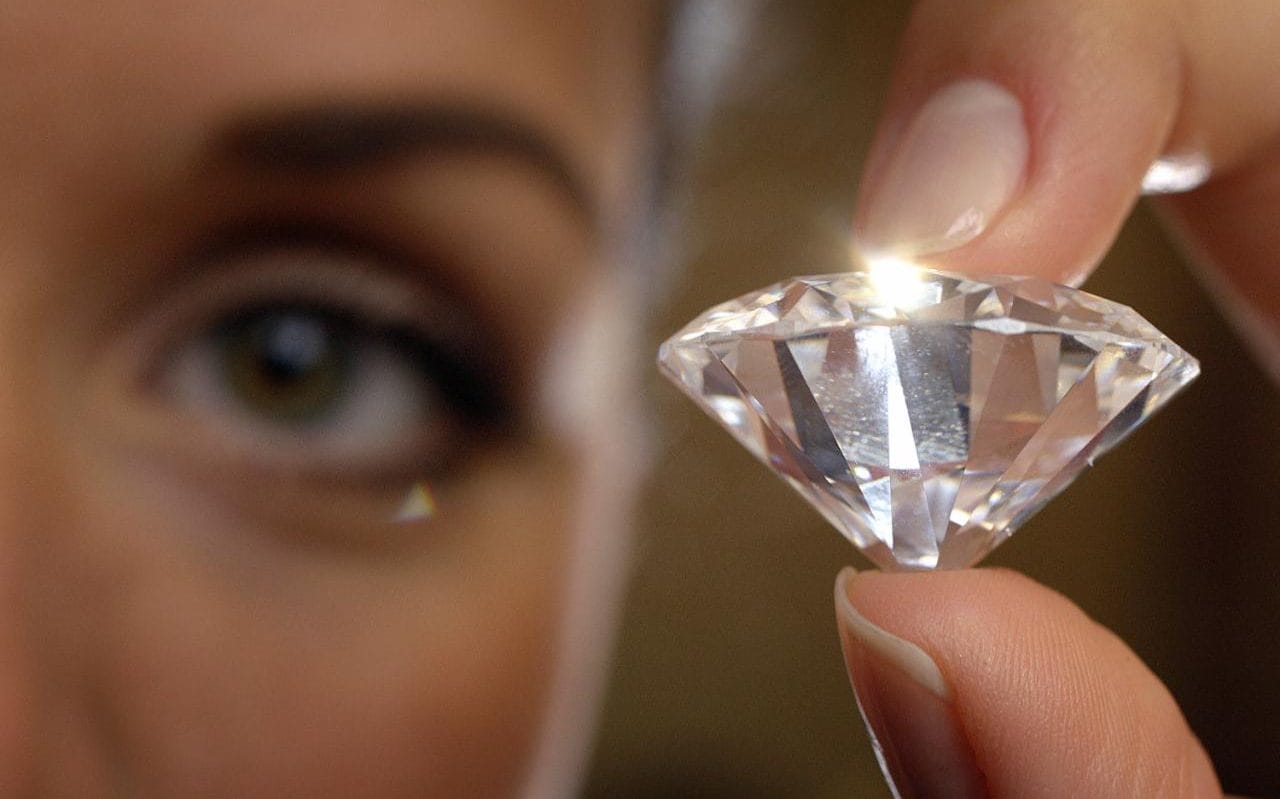

A diamond is a diamond, and lab-grown stones have the same hardness and brilliance as their natural counterparts, so if you're worried somebody will come up and say "Ah, that diamond is lab-grown", there is virtually no possibility of that happening (unless they already know, or are bluffing, or your diamond is much older type of HPHT stone with metallic inclusions). The latest lab-grown diamond synthesis method- CVD growth, can create diamonds with or without tiny inclusions, but their products are almost always non-diagnostic to make a separation between natural and lab-grown. You would need advanced spectrometers, like the ones we have here at Gemcamp for proper testing. Normal thermal or electric conductivity testers (DIY diamond testers) will not help with this specific separation.


Going back to the topic, a diamond is usually purchased not just because of its physical beauty, but also because of its rarity and investment value. These two things are very tricky issues to consider when considering to purchase a lab-grown stone. Although we as a laboratory are neither in favor nor in resistance to the usage of lab-grown diamonds as proposal gemstones, in terms of rarity- the technology to produce lab-grown diamonds is (and will continue) to become more accessible and affordable in the future, thereby allowing more people to create man-made diamonds which may possibly affect how their prices will fare over time. In the 1800's, lab-grown ruby and lab-grown sapphire were first created by August Verneuil (a french chemist). Today, you can find these lab-grown gemstones for a a few dollars per carat at most marketplaces. Some retailers may sell them for 100 or so dollars per stone with proper marketing. These stones have the same physical beauty as natural rubies and sapphires, but the only difference is that they were made by human beings, so why are their prices so different? Well, they're not rare anymore. People from all over the world are now creating rubies and sapphires on the commercial-scale, and this supplies the demand for cheaper, costume jewelry.

We're not commenting that we know the future of diamond and man-made diamond prices, or the relationships between them. We're simply giving you a look into this fast-changing topic of interest. Supply and demand, the popularity of lab-grown diamonds is rising, but the number of suppliers worldwide is also rising with the continuing ease of their creation technology. It's up to the buyer whether he is for- or against- investing in a lab-grown diamond. They are after all, still very beautiful products. They are as hard and as brilliant as natural diamonds. These symbolical characteristics are important for the idea of marriages and proposals. If you're looking to use a diamond because of these traits, then a lab-grown stone will not be any different. Then again, if you're looking to use a diamond because of its story- like how this rare stone was mined out from deep beneath the earth, or how it formed millions of years before you were both born- then maybe you should go for a natural stone. In the end, it is an issue of interest, divided by many diverse opinions. Some people don't even use diamonds at all. Princess Diana's main engagement stone was a marvelous blue sapphire that captivated the entire world with its vivid blue hue.
Note that the current prices of natural diamonds are also higher than the prices of lab-grown stones. This may be a factor in your selection process as well. Natural diamonds have been around for a long time, but man-made diamonds are a relatively newer class of product.
Feel obliged to ask us more about lab-grown stones during your appointment sessions.
Read more »
Gemcamp Laboratories
0 Comments

You Might Also Like

This Curious Ant Tried to Steal a Diamond, and was Caught on Camera.

This Curious Ant Tried to Steal a Diamond, and was Caught on Camera.


We all need to take a breather from work every now and then, but it seems that some jewellers can't even sit down to have a relaxing cup of coffee without worrying about theft- from all directions.


This tiny ant was caught on camera attempting to 'steal' a large diamond that was probably about 5 times its size. Luckilly for the ant, the owners have not reported it to the local authorities (or decided not to pummel it).

The viral video of this small insect is quickly spreading through the internet, making both jewellers and jewelry collectors laugh out loud at the curiosity of the situation. Once in a while we have to take a step back and enjoy the small moments in life.


Although numerous videos have surfaced on youtube about this little guy, here's one from the New York Post, as we're not too sure who the original jewelers who filmed it were. They might be thinking about pest-control now at their offices. Either that or this could have possibly been one really interesting marketing stunt!

In Arizona (US), there are ants out in the wild that have been known to "push out" red pyrope garnets from their hill mounds. The ants hate these gems because they can't break them apart with their mandibles. Sometimes prospectors find these red pebbles on the arid ground, and end up calling them anthill garnets.

Anyway, if an ant can do this- maybe your own pets and creepy crawlies could be considered as potential culprits for gem and jewelry disappearances at home! I's possible, as far as we saw through the video anyway (although incredibly unlikely).


It's somewhat interesting to note that occasionally certain gems can also "carry" ants, judging from this piece of baltic amber. Fossilized plant resins millions of years old have been known to harbor insect inclusions, especially in their collector-qualities.

Cheers everyone, have a good week ahead.
Read more »
Gemcamp Laboratories
0 Comments

You Might Also Like

Man-made Diamonds Are Getting Better.

Man-made Diamonds Are Getting Better.


The growing concern over separating man-made or lab-grown diamonds from natural ones is well grounded on the fact that this gem species is one of the hardest ever to segregate visually, even for gemologists. In fact, for stones that are grown using the HPHT (High Pressure, High Temperature) method, exposure to the trade and processes involved with manufacturing man-made diamonds allowed laboratory gemologists to take note of certain characteristics observable in grown stones. These include specific types of metallic looking flux residues, and peculiar looking growth marks that showed the difference in a stone's crystal-development history.


The HPHT method has been the staple of the jewelry industry for many years, and still accounts for the production of many of the world's man-made diamonds today. Despite this, more and more technologically advanced companies have been working on (and developing proprietary advancements) the other method of diamond growing called Chemical Vapor Deposition or CVD for short. This type of laboratory-grown diamond is much less likely to show visible traces of its synthesis today. The diamonds themselves are grown from flat sheets, by depositing material layer by layer from a carbonaceous cloud of gas (like methane).


Lab-grown CVD diamonds have finally reached the point where their colors and clarities produced can be directly comparable to those of high quality natural diamonds. While lab-grown / man-made diamonds sold on with open disclosure and honest documentation are very beautiful products, the problem lies in the sale of these stones under the guise or label of 'natural diamonds'. These are two different categories of salable gems with two different price points in the trade, and therefore should not be mistaken for one another.

For natural diamond identity checks, we combine the use of scientific spectrometric equipment with the many years of experience held by our gemological staff through their involvement in the global diamond trade. For visits to our laboratory, you can set up an appointment with us through our official facebook page.
Read more »
Gemcamp Laboratories
0 Comments

You Might Also Like

Did You Know? Filipinos Rank Among Asia's Most Dedicated Diamond Buyers Today

Did You Know? Filipinos Rank Among Asia's Most Dedicated Diamond Buyers Today


In every part of the world, you'll notice a specific trend that governs the tastes of people who see themselves as serious jewelry collectors. Many nationalities differ in their own preference of what gemstone provides the most satisfaction in a wholesome sense- appeal, investment, cultural significance. Filipinos undoubtedly have ties to two of the gem world's front runners in the trade, pearls and diamonds.

Pearls have been revered by Philippine culture for decades, due to the archipelago's deep-rooted connection to the Palawan and South China seas. The golden south sea pearl (Pinctada maxima) is one of our country's premier luxury exports, and is indeed one of the world's most beloved gems.


The majority however, would primarily choose to purchase diamonds over any other precious or semi-precious gemstone. The culture of giving diamonds as gifts, not only during engagement ceremonies and weddings, but also during many other family-oriented occasions, is quite prevalent among much of the population today, especially in the bigger cities of Manila, Cebu and Davao.

Filipinos have a penchant for selecting investment grade diamonds, possibly stemming from international influences that have westernized our tastes in jewelry. Diamonds after all, are the world's most widely marketed fine-gemstone, and account for more than 76% of the international gem-trade's business activity.


If you take a look at other countries, you'll find that each has its own specific gem of choice among their societies. China has a great admiration for jade, which can come from either the jadeite or nephrite species. Colombia puts importance on Emerald, as the Muzo and Chivor areas remain to be some of the planet's best sources for the finest green gems.


Our history of being a modern, partially westernized country in Asia, promotes a population where choices tend to agree with global preferences and selections. Most of the younger generation follow the habits of their predecessors, and today's millennial population also believes in the symbol of commitment and eternity that diamonds convey. We are indeed, romantics at heart, and a stone that can travel through centuries unfazed, would genuinely appeal to that part of us.

After diamonds, pearls are the most widely purchased gem in the country, followed by a three-way tie between ruby, sapphire and emerald. These fine varieties are directly above popular more affordable stones like amethyst and citrine.
Read more »
Gemcamp Laboratories
0 Comments

You Might Also Like

[name=Gemcamp Laboratories] [img=http://www.gemcamp.org/img/gemcamp-black-badge-3.jpg] [description=A Philippine-based laboratory group headed by GIA graduate gemologists who share a collective passion for the sciences that support gemstone identification and evaluation.] (facebook=https://www.facebook.com/gemcamplab/) (twitter=https://twitter.com/gemcamplab) (instagram=https://www.instagram.com/gemcamplaboratories/) (pinterest=https://www.pinterest.ph/gemcamplaboratories/)

Follow @Gemcamp Instagram