Theme Layout

Boxed or Wide or Framed

Theme Translation

Display Featured Slider

Featured Slider Styles

Display Grid Slider

Grid Slider Styles

Display Trending Posts

Yes

Display Author Bio

Display Instagram Footer

Dark or Light Style

Showing posts with label Philippine Diamonds. Show all posts
Would You Propose With a Lab-Grown Diamond?

Would You Propose With a Lab-Grown Diamond?


It's no secret that people have been gaining awareness to the trend of artificially created diamonds. First in the U.S., now here in Metro Manila. Lab-grown diamonds have the same essential carbon-composition and isometric structure as natural diamond, but they are products of factories rather than mined from the earth.


What does this mean for people who are looking for a diamond to use during their proposals? Getting married to the love of your life is a once in a lifetime event, and the marketing behind the diamond trade centers around diamond's traits and rarity for being a symbol of everlasting commitment.
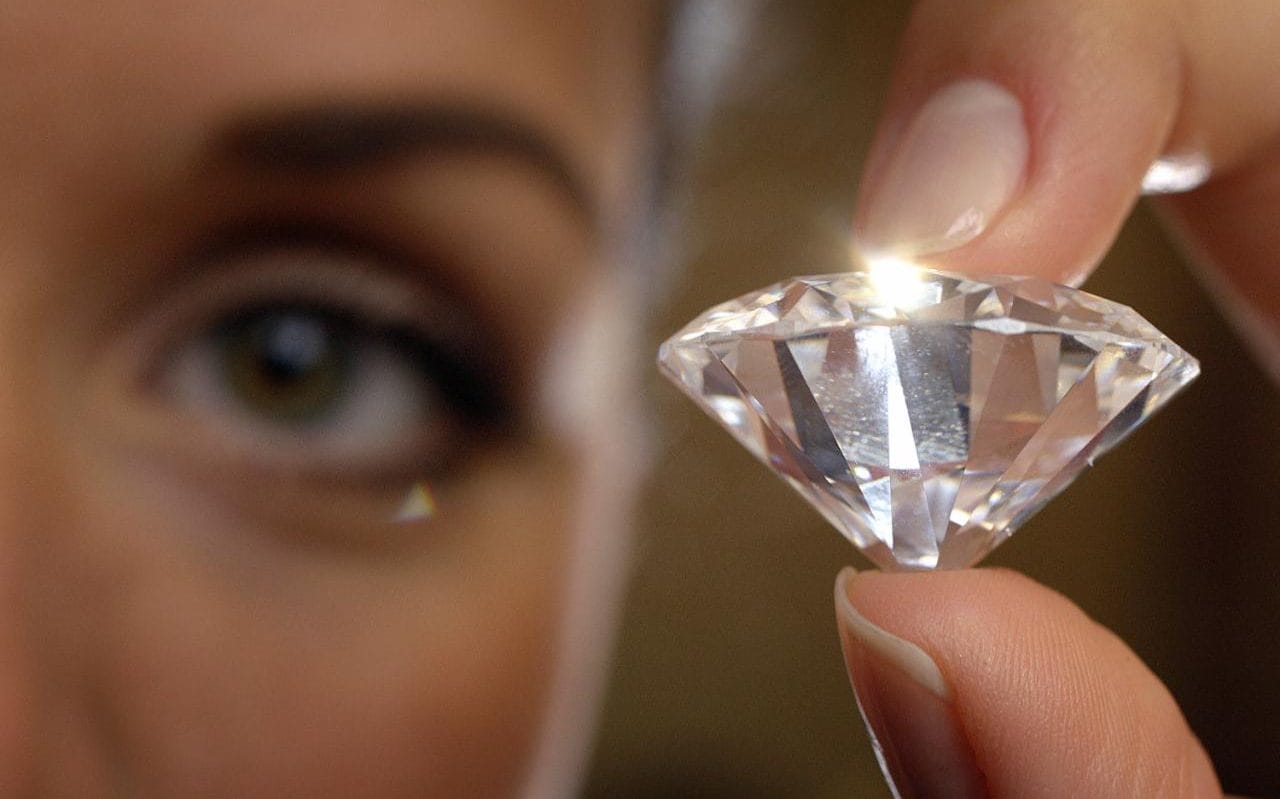

A diamond is a diamond, and lab-grown stones have the same hardness and brilliance as their natural counterparts, so if you're worried somebody will come up and say "Ah, that diamond is lab-grown", there is virtually no possibility of that happening (unless they already know, or are bluffing, or your diamond is much older type of HPHT stone with metallic inclusions). The latest lab-grown diamond synthesis method- CVD growth, can create diamonds with or without tiny inclusions, but their products are almost always non-diagnostic to make a separation between natural and lab-grown. You would need advanced spectrometers, like the ones we have here at Gemcamp for proper testing. Normal thermal or electric conductivity testers (DIY diamond testers) will not help with this specific separation.


Going back to the topic, a diamond is usually purchased not just because of its physical beauty, but also because of its rarity and investment value. These two things are very tricky issues to consider when considering to purchase a lab-grown stone. Although we as a laboratory are neither in favor nor in resistance to the usage of lab-grown diamonds as proposal gemstones, in terms of rarity- the technology to produce lab-grown diamonds is (and will continue) to become more accessible and affordable in the future, thereby allowing more people to create man-made diamonds which may possibly affect how their prices will fare over time. In the 1800's, lab-grown ruby and lab-grown sapphire were first created by August Verneuil (a french chemist). Today, you can find these lab-grown gemstones for a a few dollars per carat at most marketplaces. Some retailers may sell them for 100 or so dollars per stone with proper marketing. These stones have the same physical beauty as natural rubies and sapphires, but the only difference is that they were made by human beings, so why are their prices so different? Well, they're not rare anymore. People from all over the world are now creating rubies and sapphires on the commercial-scale, and this supplies the demand for cheaper, costume jewelry.

We're not commenting that we know the future of diamond and man-made diamond prices, or the relationships between them. We're simply giving you a look into this fast-changing topic of interest. Supply and demand, the popularity of lab-grown diamonds is rising, but the number of suppliers worldwide is also rising with the continuing ease of their creation technology. It's up to the buyer whether he is for- or against- investing in a lab-grown diamond. They are after all, still very beautiful products. They are as hard and as brilliant as natural diamonds. These symbolical characteristics are important for the idea of marriages and proposals. If you're looking to use a diamond because of these traits, then a lab-grown stone will not be any different. Then again, if you're looking to use a diamond because of its story- like how this rare stone was mined out from deep beneath the earth, or how it formed millions of years before you were both born- then maybe you should go for a natural stone. In the end, it is an issue of interest, divided by many diverse opinions. Some people don't even use diamonds at all. Princess Diana's main engagement stone was a marvelous blue sapphire that captivated the entire world with its vivid blue hue.
Note that the current prices of natural diamonds are also higher than the prices of lab-grown stones. This may be a factor in your selection process as well. Natural diamonds have been around for a long time, but man-made diamonds are a relatively newer class of product.
Feel obliged to ask us more about lab-grown stones during your appointment sessions.
Read more »
Gemcamp Laboratories
0 Comments

You Might Also Like

This Curious Ant Tried to Steal a Diamond, and was Caught on Camera.

This Curious Ant Tried to Steal a Diamond, and was Caught on Camera.


We all need to take a breather from work every now and then, but it seems that some jewellers can't even sit down to have a relaxing cup of coffee without worrying about theft- from all directions.


This tiny ant was caught on camera attempting to 'steal' a large diamond that was probably about 5 times its size. Luckilly for the ant, the owners have not reported it to the local authorities (or decided not to pummel it).

The viral video of this small insect is quickly spreading through the internet, making both jewellers and jewelry collectors laugh out loud at the curiosity of the situation. Once in a while we have to take a step back and enjoy the small moments in life.


Although numerous videos have surfaced on youtube about this little guy, here's one from the New York Post, as we're not too sure who the original jewelers who filmed it were. They might be thinking about pest-control now at their offices. Either that or this could have possibly been one really interesting marketing stunt!

In Arizona (US), there are ants out in the wild that have been known to "push out" red pyrope garnets from their hill mounds. The ants hate these gems because they can't break them apart with their mandibles. Sometimes prospectors find these red pebbles on the arid ground, and end up calling them anthill garnets.

Anyway, if an ant can do this- maybe your own pets and creepy crawlies could be considered as potential culprits for gem and jewelry disappearances at home! I's possible, as far as we saw through the video anyway (although incredibly unlikely).


It's somewhat interesting to note that occasionally certain gems can also "carry" ants, judging from this piece of baltic amber. Fossilized plant resins millions of years old have been known to harbor insect inclusions, especially in their collector-qualities.

Cheers everyone, have a good week ahead.
Read more »
Gemcamp Laboratories
0 Comments

You Might Also Like

Man-made Diamonds Are Getting Better.

Man-made Diamonds Are Getting Better.


The growing concern over separating man-made or lab-grown diamonds from natural ones is well grounded on the fact that this gem species is one of the hardest ever to segregate visually, even for gemologists. In fact, for stones that are grown using the HPHT (High Pressure, High Temperature) method, exposure to the trade and processes involved with manufacturing man-made diamonds allowed laboratory gemologists to take note of certain characteristics observable in grown stones. These include specific types of metallic looking flux residues, and peculiar looking growth marks that showed the difference in a stone's crystal-development history.


The HPHT method has been the staple of the jewelry industry for many years, and still accounts for the production of many of the world's man-made diamonds today. Despite this, more and more technologically advanced companies have been working on (and developing proprietary advancements) the other method of diamond growing called Chemical Vapor Deposition or CVD for short. This type of laboratory-grown diamond is much less likely to show visible traces of its synthesis today. The diamonds themselves are grown from flat sheets, by depositing material layer by layer from a carbonaceous cloud of gas (like methane).


Lab-grown CVD diamonds have finally reached the point where their colors and clarities produced can be directly comparable to those of high quality natural diamonds. While lab-grown / man-made diamonds sold on with open disclosure and honest documentation are very beautiful products, the problem lies in the sale of these stones under the guise or label of 'natural diamonds'. These are two different categories of salable gems with two different price points in the trade, and therefore should not be mistaken for one another.

For natural diamond identity checks, we combine the use of scientific spectrometric equipment with the many years of experience held by our gemological staff through their involvement in the global diamond trade. For visits to our laboratory, you can set up an appointment with us through our official facebook page.
Read more »
Gemcamp Laboratories
0 Comments

You Might Also Like

Did You Know? Filipinos Rank Among Asia's Most Dedicated Diamond Buyers Today

Did You Know? Filipinos Rank Among Asia's Most Dedicated Diamond Buyers Today


In every part of the world, you'll notice a specific trend that governs the tastes of people who see themselves as serious jewelry collectors. Many nationalities differ in their own preference of what gemstone provides the most satisfaction in a wholesome sense- appeal, investment, cultural significance. Filipinos undoubtedly have ties to two of the gem world's front runners in the trade, pearls and diamonds.

Pearls have been revered by Philippine culture for decades, due to the archipelago's deep-rooted connection to the Palawan and South China seas. The golden south sea pearl (Pinctada maxima) is one of our country's premier luxury exports, and is indeed one of the world's most beloved gems.


The majority however, would primarily choose to purchase diamonds over any other precious or semi-precious gemstone. The culture of giving diamonds as gifts, not only during engagement ceremonies and weddings, but also during many other family-oriented occasions, is quite prevalent among much of the population today, especially in the bigger cities of Manila, Cebu and Davao.

Filipinos have a penchant for selecting investment grade diamonds, possibly stemming from international influences that have westernized our tastes in jewelry. Diamonds after all, are the world's most widely marketed fine-gemstone, and account for more than 76% of the international gem-trade's business activity.


If you take a look at other countries, you'll find that each has its own specific gem of choice among their societies. China has a great admiration for jade, which can come from either the jadeite or nephrite species. Colombia puts importance on Emerald, as the Muzo and Chivor areas remain to be some of the planet's best sources for the finest green gems.


Our history of being a modern, partially westernized country in Asia, promotes a population where choices tend to agree with global preferences and selections. Most of the younger generation follow the habits of their predecessors, and today's millennial population also believes in the symbol of commitment and eternity that diamonds convey. We are indeed, romantics at heart, and a stone that can travel through centuries unfazed, would genuinely appeal to that part of us.

After diamonds, pearls are the most widely purchased gem in the country, followed by a three-way tie between ruby, sapphire and emerald. These fine varieties are directly above popular more affordable stones like amethyst and citrine.
Read more »
Gemcamp Laboratories
0 Comments

You Might Also Like

Man-made Diamond Retail Store Closes Shop After Only 6 Months in Operation

Man-made Diamond Retail Store Closes Shop After Only 6 Months in Operation


It's no secret to the jewelry-buying community that synthetic (a.k.a. man-made, cultured) diamonds have been growing in market reach, with more and more producers creating lab grown diamonds every year. The challenge of gemological institutes grows stronger as time passes, due to the barriers of entry weakening for this industry.


(These are different from simulant diamonds, which atomically, are not diamonds at all. Simulants, or imitation diamonds are actually chemically composed of another material altogether, like moissanite or cubic zicronia. Pictured above is a simulant diamond)

Man-made diamonds on their own, present a legitimate opportunity for both buyers and sellers, IF disclosed properly. There's nothing fraudulent about selling one of these stones, as long as they are sold as synthetic gemstones or laboratory-made gemstones. The problem is, because there seems to be an influx of these products flowing into the international jewelry markets, some shady sellers try to move their items in an underhanded fashion, sneaking man-made gemstones into parcels of natural diamonds. Even store owners often fall prey to this scheme, as you need advance spectrometric equipment to detect a fake.


Despite their monetary values being very different, visually a synthetic diamond is almost impossible to separate from a natural one, even for experienced jewelers. The cause for concern is starting to hit many, as the public starts to gain awareness on the reality of this issue and what it means for security in the diamond trade.

According to news sites in the US, a subsidiary retail brand of Diamond Foundry will be shutting down their physical store in Los Angeles branch after just six months in business. The manufacturer legally produces or grows synthetic diamonds using controlled machinery.


The closure of their establishment is occurring for reasons we can only speculate from halfway around the world, but the company isn't out of the ballgame just yet. Reports say that the brand will continue with its online business activity, as they still state that fast-paced movement of their lab-grown diamond products is prevalent throughout many digital markets.

It's unclear whether the public's reception of synthetic diamonds would be similar in other localities, but the fact that these artificially made products are being sold online to millions of people across the world, should stir up the possibility of gradually diffused security in the overall diamond trade.

Are these buyers acquiring the stones for personal jewelry, or are they re-selling them to unsuspecting people who do not yet know of the technology to produce diamonds with machines? Here in the Philippines, synthetic diamonds have also made their way into our community. We actually applaud the local retailers who openly disclose their items as synthetics, but hold fear regarding the small-scale traders that may be too tempted to gain a quick buck at someone else's expense.


Hopefully the ethics and open disclosure stay true for businessmen here in Metro Manila, as the separation of natural VS synthetic diamonds is currently a fast-growing issue. Gemcamp Laboratories has already encountered several synthetic stones at our facility, some of which had owners who were not aware of their production from machines. It's a pressing matter, and we hope to always do our best in helping the Filipino people stay away from any possible fraudulent purchases.

Read more »
Gemcamp Laboratories
0 Comments

You Might Also Like

News on Artificially-Grown Diamonds Cause Jewelry Buyers to Worry Over Authenticity of Purchases in the First Quarter of 2018

News on Artificially-Grown Diamonds Cause Jewelry Buyers to Worry Over Authenticity of Purchases in the First Quarter of 2018


Although man-made diamonds have been a prevalent topic of controversy in many western countries, the trend has caught up to the jewelry trade of Southeast Asia and the Philippines. Buyers now are much more cautious and have gained awareness of the possibility that their diamonds may have been grown in a factory. Synthetic, cultured, or man-made diamonds are all identical terms for these materials that have been made from pure carbon, using state-of-the-art technology.


The growing, televised features on synthetic diamonds and the capability of companies to produce them by the hundreds- have caused some concern among the local jewelry collectors in our society. Many who have visited the laboratory fear that the gem trade is becoming more "loose" and scary in terms of undisclosed diamond authenticity.

Fox News has recently aired a segment about an American company that grows synthetic diamonds ethically. Leonardo Dicaprio, the famous Hollywood actor has even invested in this progressive diamond growing operation with the hopes that their product may lessen the current plague of 'conflict' diamonds that are also a cause for concern in the industry. In essence, any item can be good or bad if used or sourced the wrong way.

The same company was said to be able to create hundreds of man-made diamonds in a span of just two weeks, as told during the news segment.

Despite the two opposing sides that are constantly battling between the pro's and con's of synthetic diamonds in the trade, we do have to consider the facts beyond the bias of sales.

With regards to artificially grown diamonds- their value is not the same as that of natural diamonds, and despite the near-impossible difficulty in telling them apart with your naked eye, our gemologists can separate the two kinds of materials with ease.


More and more news articles regarding the advent of synthetic diamonds are making headlines this quarter, with some commentaries stating that millennials are especially prone to falling victim to synthetic diamond scams. Some fraudulent vendors and suppliers aim to take advantage of the younger generations' lack of awareness in "heritage-type" items like jewelry and diamonds.

Here in the Philippines, it's extremely important to always be sure of your item's authenticity. Third party laboratories like Gemcamp help to support the trade by minimizing the chances of diamond fraud, and encouraging a safe and ethical environment for the Filipino jewelry collectors.

Synthetic diamonds are not inherently bad, they are just a different type of product. Many people actually appreciate their beauty and appeal. The only concern that poses a threat to the public, is when synthetic diamonds are sold as natural gemstones.


Many synthetic diamonds and gemstones unfortunately, are also being misused by illegal sellers and con-artists to fool buyers into paying more, with the guise that the products are natural gems. A man-made flame-fusion ruby for example can be bought at around 5-20 US dollars in high qualities, but a natural ruby counterpart may fetch over a thousand dollars due to its factual rarity.

These HPHT synthetic diamond machines (pictured below) are still being used today, despite the invention of many smaller sized growing machines (like those used for CVD synthetics). HPHT machines mimic the extreme heat and pressure needed for diamonds to form deep beneath the earth's landmasses.


Please also note that synthetic diamonds will fool the automatic diamond testers often used in pawnshops and jewelry stores. These testers are often based off of electrical and heat conductivity, which synthetic diamonds will be able to possess in similarity to their natural counterparts. Some other materials, such as cubic zirconia coated with synthetic diamond, and some types of Moissanite will also be able to fool even the most advanced thermal testers out there on the market.

In our efforts to spread awareness and education across the Philippine public sector, we are currently developing a workshop curriculum that will teach people about gemstones, gemology, diamonds and synthetics. It will be made available mid-2018, and you can join our updater's list by inquiring on our facebook page.


Read more »
Gemcamp Laboratories
0 Comments

You Might Also Like

Lab-Grown Diamond Manufacturer Creates an Enormous 6 Carat Man-made Diamond.

Lab-Grown Diamond Manufacturer Creates an Enormous 6 Carat Man-made Diamond.


While diamond synthesis isn't something new to the trade, it's still a hot topic all around the international jewelry industry. "Will synthetic diamonds influence the prices of earth-mined stones in the long run?". "How do we protect ourselves from man-made diamonds being peddled as natural gemstones?". There are a lot of questions that many experts are currently concerned over.


Laboratories can detect the vast majority of natural diamonds using advanced instruments that read spectrometric emission and absorption patterns, but to people who are just looking to buy (or sell) diamonds, it can be daunting to realize just how many ways they can be fooled by unscrupulous individuals.

Synthetic diamonds grown using the chemical vapor deposition process, or CVD for short, are almost impossible to distinguish without specific gemological equipment. Many visitors to our laboratory here in Quezon City, have already submitted diamonds that turned out to be man-made through controlled, artificial growth methods. Around 60% of them did not know, or were not sure about the nature of these stones, which causes some concern over honesty in the jewelry trade.

In the US, a company called WV Lab Grown Diamonds uses the CVD technique to pursue ultra-high qualities of synthetic diamond. Their products have now been elevated in size ranking, as the lab has just announced its most recent 6 carat production through trade sites like Rapaport.


Their facility, located in Washington, D.C., aims to pursue forward leaps in the field of diamond synthesis, remarking that the future will probably hold even bigger sizes of CVD man-made diamonds for the public to enjoy.

A 6 carat, colorless diamond was recently created at facet-grade quality. The company stated that their product would price similarly to a 3.5 carat natural diamond in the same color and clarity grade levels, but that's still their own appraisal on the item. (We do not endorse nor confirm their estimate.)

As far as Gemcamp's independent research shows, synthetic diamonds were often priced at 75% the value of their natural counterparts back in 2009. Now, during last year's March expo in Hong Kong, our team of gemologists asked around to find out more regarding the current prices of CVD synthetic stones. One large manufacturer (brand shall remain private), was willing to sell its products initially for 60% the price of a natural counterpart, but later settled for 50% after negotiation.


Man-made diamonds can be a great product for jewelry buyers who are looking for a specific set of criteria in their stones. We will not however, comment on their investment worth, as our position still remains neutral. Research publications from our laboratory only publishes data gathered by our gemologists in and outside of the Philippine market.

We can only attest to the investment appreciation of natural diamond, as it has been stable appreciative asset when evaluated throughout the past decades. Much of the public's interest in natural diamond has paved the way for labs like GIA to create and fortify the grading systems we all follow today, creating a way for industry experts to price and essentially commoditize natural diamond, similar to gold, platinum or other precious metals traded internationally.

Read more »
Gemcamp Laboratories
0 Comments

You Might Also Like

We Asked 100 Filipino Jewelry Buyers: 'What Diamond Size is Just Right For You?'

We Asked 100 Filipino Jewelry Buyers: 'What Diamond Size is Just Right For You?'


What are the most preferred carat sizes for people here in the city? Well, since we've asked around about color, shape and clarity preferences, it would only be right to complete the survey with asking Filipinos how big they want their diamonds to be.


Naturally, we had some light-hearted joking that followed this question, such as replies like "as big as a golf ball!" or "like a closed fist". Obviously people do appreciate carat sizes here in the Philippines, as visual presence is one of the things people look for in a diamond purchase.


Although joviality aside, there was a balance to the ratio of price versus carat size. Our population seemed to be split into three groups when it came to their most favored selections. Some preferred sizes of a third to one half carat, but wanted several stones in a single jewelry piece to make its appearance appear bigger and brighter. These "illusion" style arrangements are quite popular here in our country at the moment.

Other interviewees told us that they would only buy stones that weighed 1 carat or more, but maxed out the range at 2.5 carats. These sizes were fast-moving, and still held considerable value as hard asset investments. It's quite practical to consider both of these selections actually.


The last grouping wanted stones that ranged from 2.5 or 3 carats to 5 carats. This group was smaller in quantity, but represented those who took diamond-buying to the next level. Large stones in this range were still moveable in the trade, of course, but here in the Philippines they might not be as fast-moving as smaller stones due to relatively higher prices. These gems are serious investments and can fetch up to millions of pesos (in the correct color and clarity grade levels).

Most buyers in the Philippines seem to prefer stone sizes that are either "small" (0.50 ct. or lower), but could be made to look bigger through specific jewelry setting designs, or "solitaire" carat sizes (1 ct. , 2 ct. or 5 ct.) that hold more substantial investment value, but are considered as fast-moving assets due to high demand on the market.


Diamonds with larger carat sizes are rarely seen, even here at the laboratory. Stones of 10 or 15 carat sizes could cost as much as a small house, or several condominium units. Most filipinos would rather diversify their purchases if granted this much flexible spending power. Still though, to possess diamonds of this size is rare, and can be a powerful status symbol in the highest societies of the country.


One thing we observed accidentally though, is that a lot of Filipinos tend to assume that larger stones are automatically imitations. The mentality of "it's too good to be true" kicks in, and the dismissive assumption fills their minds quite quickly.

Carat size is one of the 4C's of diamond quality, and we'll be teaching more about it soon, when we reveal the schedule for our upcoming gemstone identification and diamond grading workshops.

Read more »
Gemcamp Laboratories
0 Comments

You Might Also Like

Jewelry Tips: Illusion Cluster Settings, The Practical Filipino's Choice for Diamond Jewelry Today.

Jewelry Tips: Illusion Cluster Settings, The Practical Filipino's Choice for Diamond Jewelry Today.


One of the key aspects of the jewelry trade is a sense of rarity and exclusivity. Bigger diamonds have always been able to quickly draw the attention of wandering eyes due to their brilliance and sparkle. The larger stones also tend to rake up extremely steep prices on the market, and in today's practical societies, not everyone wants to shell out a tremendous reservoir of cash just for a single ring.


Enter the illusion settings, which can be divided into pure illusion types and illusion cluster types. The latter having one larger center stone in the middle of many smaller stones, and the prior consisting of several small stones arranged in a specific orientation. Either way, the motivation for these types of setting is clear- to create the semblance or appearance of a much larger stone, but within the boundaries of a smart budget.


The reason for this lies in the fact that smaller diamonds, especially melee sizes, are much easier to obtain than larger ones. They are cheaper, and it's much more feasible to get several small diamonds out of a rough stone's ore compared to getting one giant piece out of it. Rough ore usually tends to have inclusions and fractures which would deter the possibility of producing a high quality single diamond. Sometimes cutters find that the only feasible way of cutting the rough, would be to split it into several small pieces, hence the greater number of small-sized diamonds at comparatively cheaper prices on the market.

Illusion-type cluster settings are some of the most popular diamond jewelry choices among Filipinos in Metro Manila today, mainly due to their practicality, affordability and overall increased brilliance factor.


Here in Quezon City and its many subdivisions, the area is home to millions of hard-working individuals who like to spread out their investments into a range of assets. Jewelry can be a storage of wealth, along with real estate, art and stocks. It plays to their practical mindset however, to find ways of making the best out of your budget. Illusion settings do precisely that. Many diamond rings set in this style, conveys a brilliance that can still be incredibly breathtaking and marvelous. From afar, no one is even able to tell the difference between several smaller, illusion set diamonds, and one larger solitaire set piece.


Other people sometimes argue that another alternative would be to purchases synthetic diamonds, as these are cheaper than their natural counterparts, and still show the famed beauty of the gemstone. It really depends on your way of thinking. For many collectors, synthetic diamonds are seen as manufactured-products that have a declining rarity factor- as they can just be produced in unlimited quantities, especially with the growing evolution of technology. Machines for synthetic or cultured diamond production are just getting cheaper each year.


Many who think this way, but still prefer to be on budget, would prefer a group of smaller, natural diamonds compared to a man-made product. In light of this, a lot of Filipinos tend to choose illusion or cluster settings for their bridal and wedding jewelry, thinking of the saved investment value and magnified appearance of these jewelry pieces. They prefer having the best of two worlds, and getting the most out of their money.

Read more »
Gemcamp Laboratories
0 Comments

You Might Also Like

Pink and Blue Diamonds. Why Collectors Keep these Gems as Investment.

Pink and Blue Diamonds. Why Collectors Keep these Gems as Investment.


Across history, the smartest investors have always diversified their portfolios. From stocks, bonds and real estate to equities in startups or even established blue-chip brands. Good investing requires an eye for prediction, which human beings aren't always blessed with. Even the veterans who have been investing for decades cannot prepare for every possible outcome in the Philippine's often volatile markets. This is why hard assets are often a part of their go-to investment selections.


Diamonds and gemstones, along with precious materials like gold and platinum, are examples of hard assets that have the added benefit of portability. Diamond's value-per-size ratio is so large that the right stone can be worth as much as a private mansion, and yet fit snuggly in between your fingers.

Today, we wanted to have a better look at a specific sector of the diamond market that has the industry buzzing. Natural, Fancy-colored diamonds are not as commonly seen in the boutique windows of most Metro Manila jewellers, or even retailers from Makati city. These gemstones can sometimes command higher prices compared to their colorless counterparts.


In 2008, the economic turndown experienced by several countries, affected gold prices by 30% and colorless diamond prices by 20%, both in the negative. Fancy colored diamonds however did not depreciate in value, and continue to appreciate instead. The counter-argument to this is that the market for fancy colored diamonds is much smaller in population quantity, due to a combination of high prices, item awareness and rare availability.

There is currently an established grading system in place for every hue of the stone, which was pioneered by the Gemological Institute of America- the educational institution where our gemologists here at Gemcamp learned their trade. The criteria for grading the color of these gemstones is very strict, and can measurably distinguish different saturation levels and qualities.


Fancy-colored diamonds are some of the highest value hard assets that people keep in order to to diversify and protect their personal wealth storage.

Pinks and blues are typically the most in-demand colors at the moment, however due to more affordable prices- yellow diamonds are a constant forerunner in the industry as well. Diamonds that have hues of yellow, gray, and brown often possess prices that are identical or less than their counterpart colorless diamond's. This is considering equivalent clarity and carat sizes.

All other hues (not including black) usually possess prices that are higher than their colorless counterpart's. The Argyle mine in Australia is famous for producing the largest quantites of vibrantly pink diamonds and elegant chocolate-brown diamonds. Some colors like red are so rare that even a small stone, such as one that was 2-4 carats in size, could essentially fetch up to millions of dollars at auction.

Most colored diamonds are much more expensive than other colored gemstone varieties like ruby or sapphire. Despite this, a majority of them possess lighter tones and saturation intensities. Couple this fact with a greater rarity, and you'll get a very exclusive market that is mostly made up of connoisseurs, collectors, investors and buyers who know more about the gemstone industry than the average onlooker.

If you'd like to have your colored diamond checked, our experienced team here at the Gemcamp lab office in Quezon City would be happy to meet you for an appointment.
Read more »
Gemcamp Laboratories
0 Comments

You Might Also Like

The Acclaimed De Grisogono 163-Carat D-Flawless Diamond Sells for 33.7 Million Dollars

The Acclaimed De Grisogono 163-Carat D-Flawless Diamond Sells for 33.7 Million Dollars


Another large diamond that had recently been sold at auction, was the 163-Carat D-Flawless "De Grisogono". The gemstone was set at the heart of an asymmetrical necklace adorned by suites of emeralds and other diamonds.


The design by De Grisogono founder Fawaz Gruosi, prioritizes the full visibility of the gemstones' magnificence, and therefore strives to hide all metal from its facade. This almost invisible way of craftsmanship truly brings out the vivid brilliance of both the record-breaking stone, and its accent gems.


Documentations have shown that this one-of-a-kind masterpiece required a schedule of over 1,700 hours to complete. Fourteen craftsmen contributed to the piece's creation, and this is evident in the complexity of its structure and beguiling appearance.

The De Grisogono diamond and its host necklace, sold for 33.7 million US dollars in Geneva under the efforts of Christie's auction house and its partners.


While this number may strike some as being incredibly extravagant for a single piece of jewelry, it was actually viewed as disappointing for many veterans in the diamond auction industry.


Both diamonds and emeralds are favorites here within the jewelry circles of Metro Manila, however specimens even a fifth of the De Grisogono's carat weight are an incredibly rare sight inside Philippine jewelry boutiques. Practicality and trend both play a part in the country's demand for diamonds. Normally, one to five carat sizes are the prime picks for most high society Filipinos, due to their high-movability translating to a better investment value.


Above are pictures of both the diamond and its original rough form. Large diamond rough is very rare, so diamond cutters need to use an array of advanced instrumentation to scan and plot the best angles for cutting out the gem. The more weight preserved, the higher the returns will be for specimens such as this one. (Photography Credits to Christie's Auctions, and De Grisogono) 
Read more »
Gemcamp Laboratories
0 Comments

You Might Also Like

The 2.11 carat Argyle Everglow, Rio Tinto's Most Valuable Red Diamond Today

The 2.11 carat Argyle Everglow, Rio Tinto's Most Valuable Red Diamond Today


Red diamonds have always been some of the rarest and most beautiful variants of diamond. It ranks as one of the top picks in price and exclusivity, when pit against other fancy colors of the gem, such as the more common- pinks, yellows and browns. Today we're taking a look at another legendary gemstone, making its way into the archival records of our jewelry industry.


Rio Tinto, one of the largest diamond mining companies in the world, presented the largest red diamond eve found from its Argyle mine in Australia. The Argyle has already gained a widespread following for being a premier source location for pink diamonds- with the company holding the 'Argyle Tender', a grand auction for many of its fancy colored diamond finds (predominantly pink colors in the finest lots).


This 2.11 ct. radiant-cut fancy red diamond, is simply ethereal in its brilliance and splendor. Named the "Argyle Everglow", it has recently been acquired by Optimum Diamonds LLC, for an undisclosed amount, along with winning another lot from the tender- the "Argyle Liberte", a 0.91 ct. violet colored diamond.


Red diamonds are much more rare then their colorless counterparts of the same size and clarity, however if you're looking for more affordable alternatives to the stone, some jewelry dealers do trade in treatment-enhanced red diamonds, where the stone itself is indeed a genuine diamond, but the red color was introduced via artificial processes at a laboratory. These would command significantly lower prices than their naturally colored counterparts, but are still worth a good value in terms of investment and appreciation.


Here in the Philippines, red colors of diamond aren't as frequently seen in many jewelry shops, but collectors of rare gemstones are quite familiar with the beautiful variety. Jewelers mostly concentrate on keeping inventories of colorless diamond, as these are probably the most known and appreciated kind of diamond within the high-end shopping districts of Metro Manila.


Photo credits to the Argyle Mine, Rio Tinto and its photography team & representatives.
Read more »
Gemcamp Laboratories
0 Comments

You Might Also Like

[name=Gemcamp Laboratories] [img=http://www.gemcamp.org/img/gemcamp-black-badge-3.jpg] [description=A Philippine-based laboratory group headed by GIA graduate gemologists who share a collective passion for the sciences that support gemstone identification and evaluation.] (facebook=https://www.facebook.com/gemcamplab/) (twitter=https://twitter.com/gemcamplab) (instagram=https://www.instagram.com/gemcamplaboratories/) (pinterest=https://www.pinterest.ph/gemcamplaboratories/)

Follow @Gemcamp Instagram